


The Hidden Causes of Sensitive Skin (And How to Calm It Fast)
Sensitive skin is one of the most common concerns in skincare, yet it is also one of the most misunderstood. Many people across the UK believe they simply “have sensitive skin,” when in reality, sensitivity is often a condition triggered by specific internal and external factors.
If your skin reacts easily, feels tight, stings after products, or becomes red and inflamed, there is usually an underlying cause that can be identified and managed. Understanding these hidden triggers is the first step to calming your skin and restoring balance.

What Is Sensitive Skin?
Sensitive skin is not a specific skin type in the same way as oily or dry skin. Instead, it is a reactive condition where the skin barrier becomes compromised, leading to increased sensitivity to products, environmental changes, and lifestyle factors.
Common symptoms include:
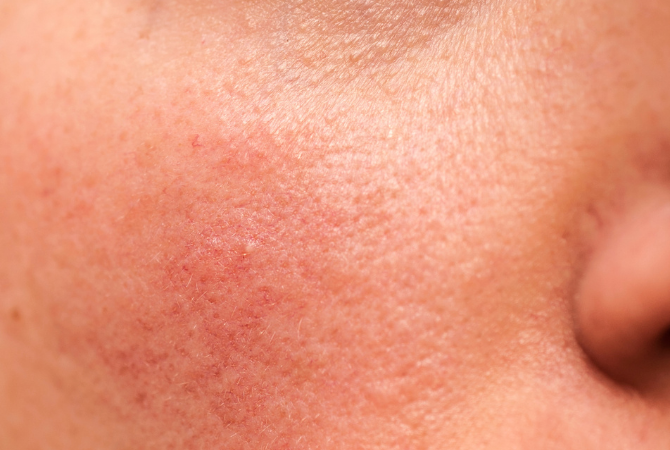
Redness or flushing
Stinging or burning sensations
Tight or uncomfortable skin
Dry patches or flaking
Reactions to skincare products
In the UK, sensitive skin is particularly common due to fluctuating weather, central heating, pollution, and lifestyle stressors.
Hidden Cause 1: A Damaged Skin Barrier
One of the most common causes of sensitive skin is a weakened or damaged skin barrier. The skin barrier acts as a protective shield, keeping moisture in and irritants out.
When this barrier is compromised, the skin becomes more reactive and prone to inflammation.
In the UK, barrier damage is often caused by:
Harsh cleansers
Over-exfoliation
Cold weather and wind exposure
Indoor heating during winter
Overuse of active ingredients like retinol or acids
Repairing the skin barrier is essential for calming sensitivity and restoring comfort.
Hidden Cause 2: Overuse of Skincare Products
Many people unknowingly overload their skin with too many products, especially when trying to improve concerns like acne, pigmentation, or ageing.
Using multiple active ingredients at once can overwhelm the skin and lead to irritation.
Common culprits include:
Retinol
Glycolic acid and other AHAs
Salicylic acid
Vitamin C in high concentrations
While these ingredients are effective, they must be used correctly and not layered excessively. Simplifying your routine is often the fastest way to calm sensitive skin.
Hidden Cause 3: Environmental Stress in the UK Climate
The UK climate plays a significant role in skin sensitivity. Rapid changes in temperature, humidity, and exposure to wind and pollution can all trigger inflammation.
During winter, cold air combined with indoor heating can strip moisture from the skin. In summer, increased UV exposure and pollution can lead to irritation and dehydration.
These environmental stressors weaken the skin barrier over time, making the skin more reactive.
Hidden Cause 4: Stress and Hormonal Imbalance
Stress is a major but often overlooked factor in skin sensitivity. When the body is under stress, cortisol levels rise, which can trigger inflammation and weaken the skin’s ability to repair itself.
Hormonal changes, particularly in women, can also lead to increased sensitivity. This may occur during menstrual cycles, pregnancy, or periods of hormonal imbalance.
Stress-related sensitivity often appears as:
Sudden flare-ups
Red patches
Increased breakouts
Heightened reaction to skincare products
Hidden Cause 5: Incorrect Skincare Ingredients
Not all skincare products are suitable for sensitive skin. Some formulations contain ingredients that can aggravate the skin, especially if the barrier is already compromised.
Common irritants include:
Alcohol-based products
Artificial fragrance
Strong exfoliating acids
Harsh foaming cleansers
Switching to fragrance-free, gentle, and hydrating formulations can make a significant difference.
How to Calm Sensitive Skin Fast
If your skin is currently feeling reactive or inflamed, the priority is to reduce irritation and rebuild the skin barrier.
Here are the most effective steps:
1. Simplify your skincare routine
Stick to a gentle cleanser, moisturiser, and SPF. Remove all unnecessary actives temporarily.
2. Focus on hydration
Look for ingredients such as hyaluronic acid, glycerin, ceramides, and panthenol to restore moisture and support the barrier.
3. Avoid exfoliation temporarily
Pause all physical and chemical exfoliation until the skin has fully calmed.
4. Use lukewarm water only
Hot water can worsen irritation and strip natural oils from the skin.
5. Protect your skin barrier
Use barrier-repairing creams that strengthen and soothe the skin.
Professional Treatments for Sensitive Skin
Professional skincare treatments can also help calm sensitivity when performed correctly. In the UK, many clinics offer tailored facials designed specifically for sensitive or reactive skin.
Suitable treatments may include:
Hydrating facials
Barrier repair facials
Lymphatic drainage massage
Gentle LED light therapy
Calming, non-invasive skin treatments
A qualified skincare therapist can assess your skin and recommend treatments that support healing without causing further irritation.

How to Prevent Sensitive Skin Flare-Ups
Once your skin has calmed, prevention is key. Maintaining a consistent, gentle routine will help keep your skin balanced and resilient.
Best practices include:
Avoiding overuse of active ingredients
Wearing SPF daily, even in cloudy UK weather
Keeping skincare routines simple and consistent
Supporting skin health with a balanced diet and hydration
Managing stress levels where possible
Final Thoughts
Sensitive skin is not something you simply have to live with. In most cases, it is a sign that the skin barrier is under stress or that external and internal factors are disrupting balance.
By identifying the hidden causes and simplifying your skincare routine, you can significantly reduce sensitivity and restore comfort to your skin.
With the right approach, even the most reactive skin can become calmer, stronger, and more resilient over time.


Comments