


How to Layer Skincare Products in the Correct Order (Without Wasting Money)
Getting your skincare routine right isn’t about using more products—it’s about using them correctly. One of the most common reasons people don’t see results from their skincare is incorrect layering. Even high-quality products can underperform if applied in the wrong order.
In the UK, where weather conditions fluctuate between cold, damp winters and warmer, humid summers, understanding how to layer skincare properly is essential for maintaining healthy, balanced skin all year round. This guide will walk you through exactly how to layer your skincare products for maximum results—without wasting money.

Why Skincare Layering Matters
Layering your skincare products correctly ensures that each ingredient can properly absorb into the skin and do its job effectively. Applying products in the wrong order can block absorption, dilute active ingredients, and even cause irritation or breakouts.
The general rule is simple: apply products from the lightest consistency to the heaviest. This allows thinner, water-based products to penetrate the skin before thicker creams and oils seal everything in.
Proper layering also helps you get better value from your products. When used correctly, you’ll need less product and see faster, more noticeable results.
Step-by-Step Guide to Layering Skincare Products
1. Cleanser: Start with a Clean Base
Cleansing is the foundation of every effective skincare routine. It removes dirt, oil, pollution, and makeup, allowing your skin to properly absorb the products that follow.
In the UK, environmental factors like pollution and central heating can impact the skin barrier, so choosing the right cleanser for your skin type is crucial. Use a gentle cleanser in the morning and consider a double cleanse in the evening if you wear makeup or SPF.
2. Toner: Rebalance and Prep the Skin
Toners are often overlooked, but they play an important role in restoring the skin’s pH and preparing it for better absorption.
Hydrating toners are particularly beneficial in the UK climate, where skin can easily become dehydrated. Look for ingredients like hyaluronic acid, glycerin, or soothing botanical extracts.
3. Serums: Target Specific Skin Concerns
Serums are where the real results happen. These lightweight formulations contain concentrated active ingredients designed to target specific concerns such as acne, pigmentation, fine lines, or dull skin.
Apply serums after toner, while the skin is still slightly damp, to enhance absorption. If using multiple serums, layer from thinnest to thickest consistency.
Popular options in the UK market include:
Vitamin C for brightening and antioxidant protection
Hyaluronic acid for hydration
Niacinamide for oil control and skin barrier support
Retinol (evening only) for anti-ageing and skin renewal

4. Eye Cream: Delicate Care Where It’s Needed Most
The skin around the eyes is thinner and more delicate, making it more prone to fine lines, puffiness, and dark circles.
Apply a small amount of eye cream after your serums, gently tapping it into the skin using your ring finger. This helps protect the area without applying too much pressure.
5. Moisturiser: Lock in Hydration
Moisturiser is essential for sealing in all the products you’ve applied and maintaining the skin barrier.
In colder UK months, a richer cream may be needed to combat dryness caused by wind and indoor heating. In warmer months, a lighter gel-based moisturiser may be more suitable.
Skipping moisturiser can lead to dehydration, even if your skin feels oily.
6. Facial Oil (Optional): Seal and Nourish
Facial oils should be applied after moisturiser, not before. They act as a seal, locking in hydration and preventing moisture loss.
This step is particularly beneficial for dry or mature skin types, especially during winter in the UK when skin tends to lose moisture more quickly.
7. SPF: The Most Important Step (Morning Only)
No skincare routine is complete without SPF. Daily sun protection is essential—even in the UK, where UV rays are present year-round.
Apply SPF as the final step in your morning routine. It protects against premature ageing, pigmentation, and long-term skin damage.
Look for a broad-spectrum SPF 30 or higher and reapply throughout the day if needed.
Common Skincare Layering Mistakes to Avoid
Using great products incorrectly can cost you both time and money. Here are some of the most common mistakes:
Applying products in the wrong order (e.g., oils before serums)
Using too many active ingredients at once, leading to irritation
Not allowing products time to absorb between layers
Skipping SPF during the day
Overloading the skin with unnecessary products
A simple, well-structured routine is far more effective than an overly complicated one.
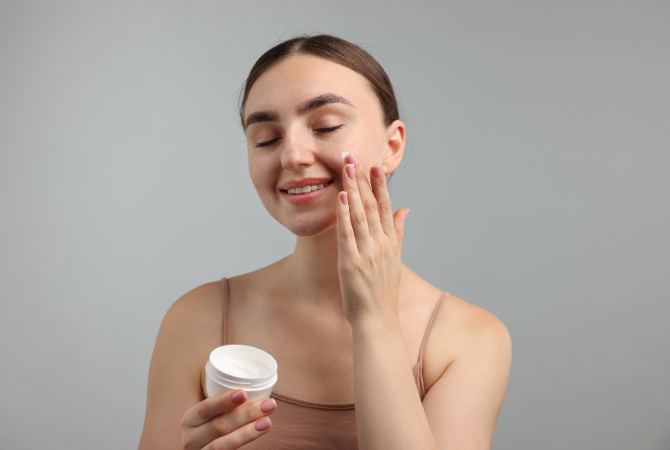
How to Build a Skincare Routine That Works for You
Not every product is necessary for every person. The key to an effective skincare routine is choosing products that suit your skin type and concerns.
If you’re unsure where to start, professional guidance can make a significant difference. A qualified skincare therapist can assess your skin and recommend a tailored routine, helping you avoid wasting money on products that don’t deliver results.
Final Thoughts: Better Results, Less Waste
Layering skincare correctly is one of the easiest ways to improve your skin without spending more money. When products are applied in the right order, they perform better, last longer, and deliver visible results.
Instead of chasing trends or constantly switching products, focus on building a consistent routine that works with your skin—not against it. With the right approach, you’ll achieve healthier, clearer, and more radiant skin all year round.


Comments